A Celestial Flower in the Dark
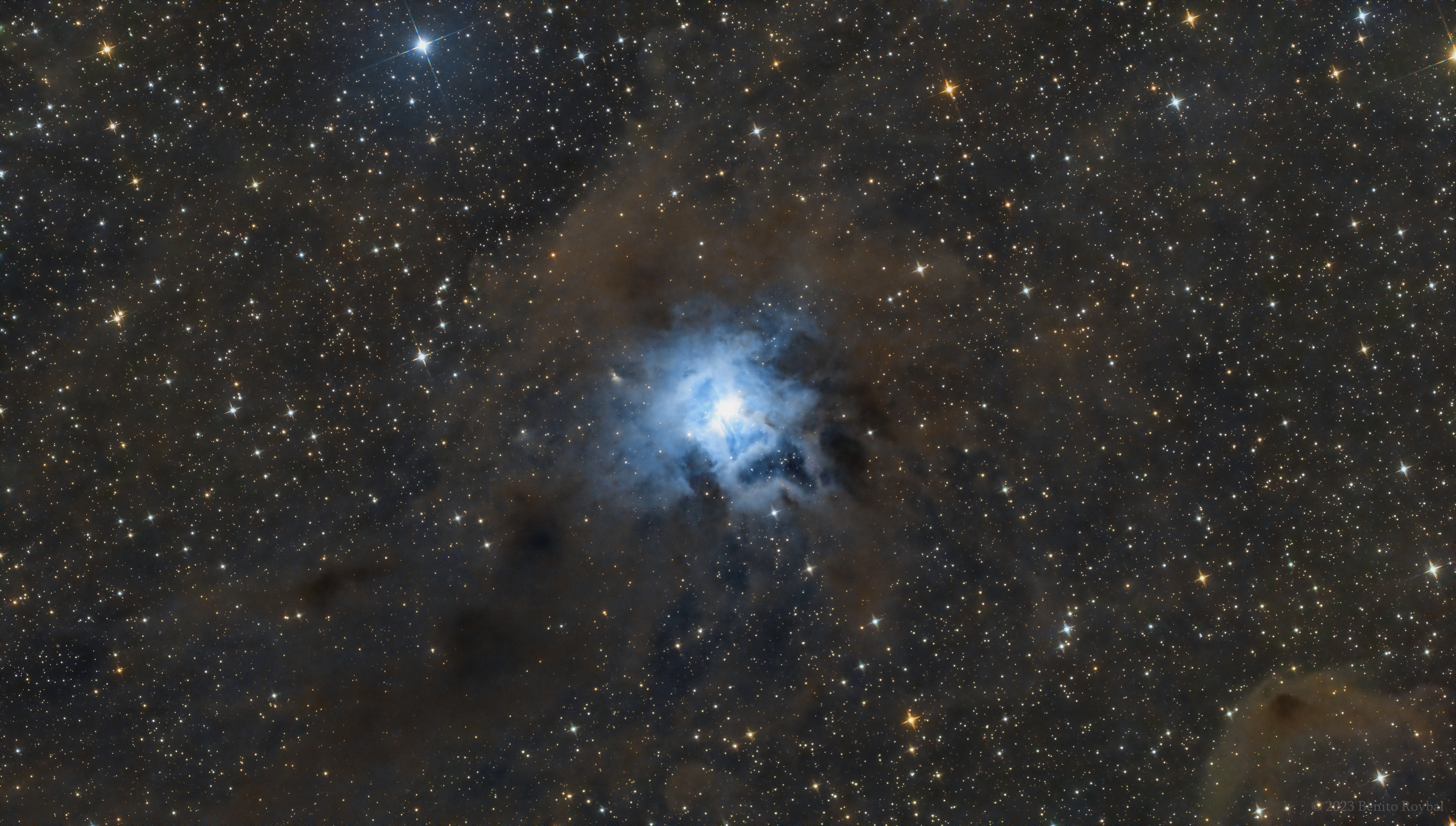
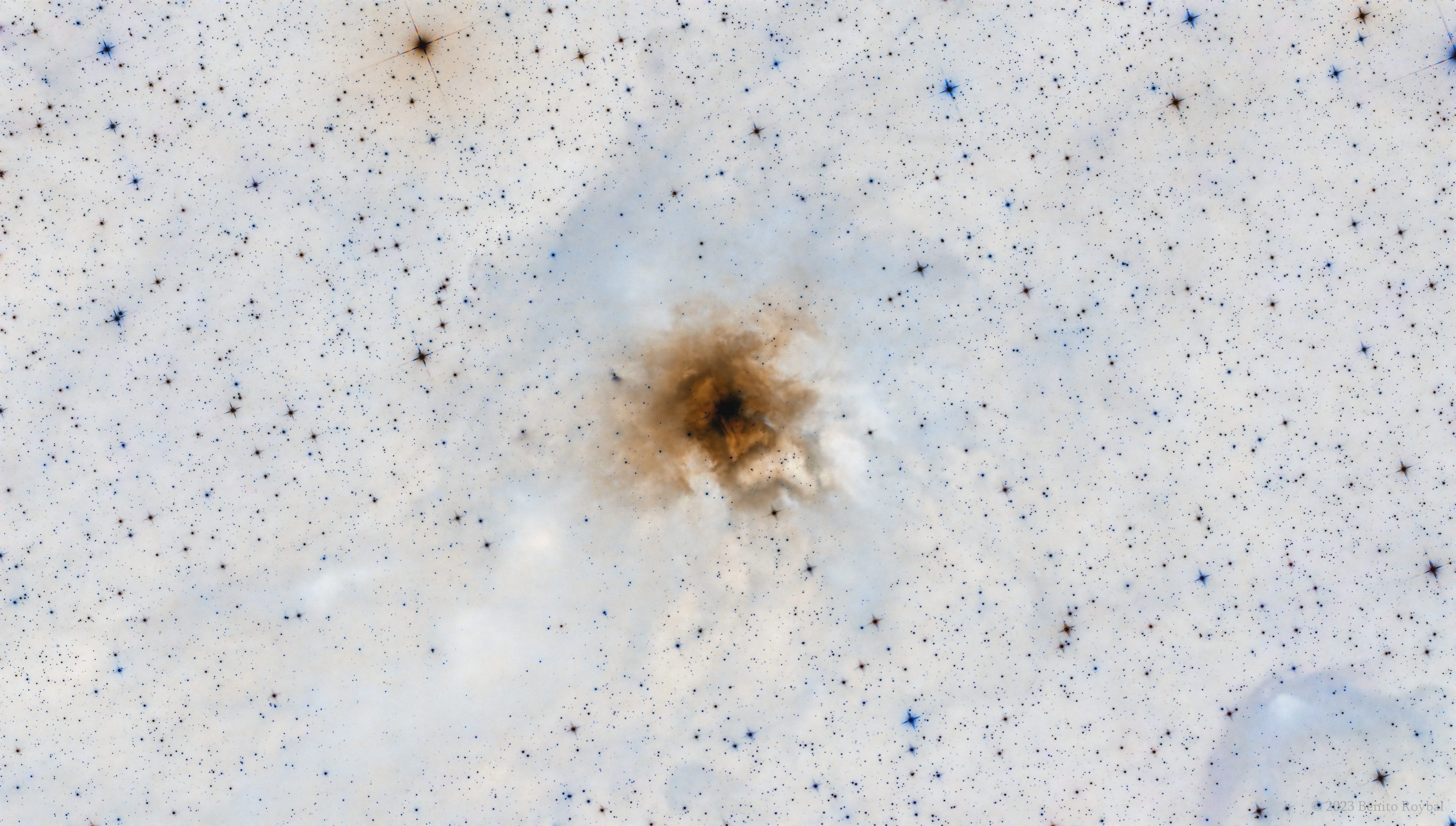
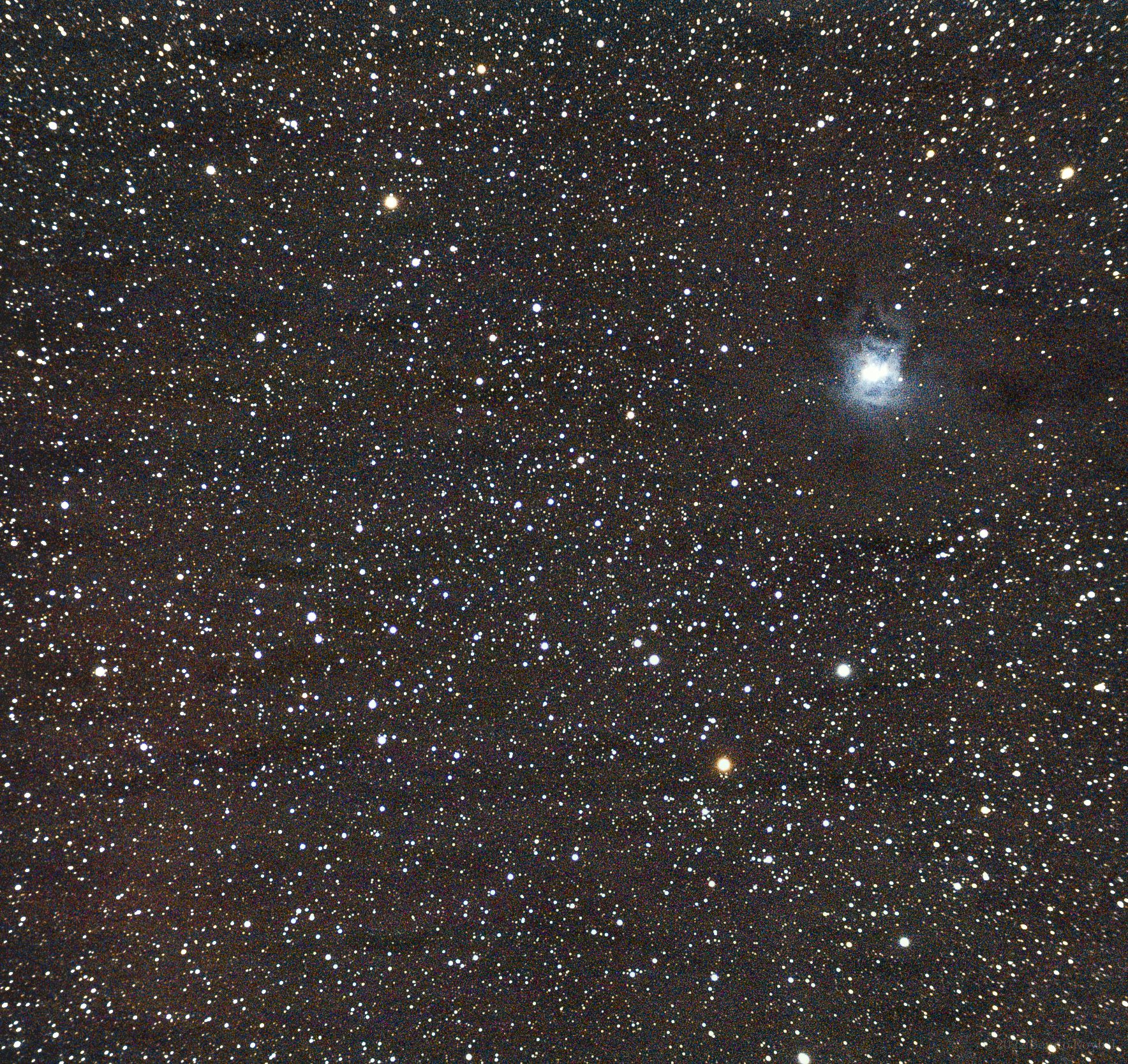
The Iris Nebula is a classic reflection nebula, where the brilliant blue light of a central star, SAO 19158, is being scattered by a dense field of interstellar dust. The nebula gets its name from its uncanny resemblance to an iris flower, with the central star acting as the 'eye' and the surrounding dust forming the 'petals.' What makes this target unique is the transition from the glowing blue core to the massive, dark, opaque dust clouds that surround it. These clouds are so dense that they block out the stars behind them, creating a 'void' in the star field of Cepheus.
Imaging Challenges
- • High Dynamic Range: The central star is very bright, while the outer 'petals' and surrounding dust are very faint.
- • Broadband Only: Narrowband filters like the L-Ultimate will almost completely block the blue light of the Iris. You need pure LRGB/Broadband data.
- • Dust Detail: Resolving the fine, 'wispy' structures in the dark dust requires very clean data and careful stretching to avoid noise.
The blue color of the Iris Nebula is caused by the same physical process that makes the Earth's sky blue: Rayleigh scattering of light by small particles.