A Celestial Predator
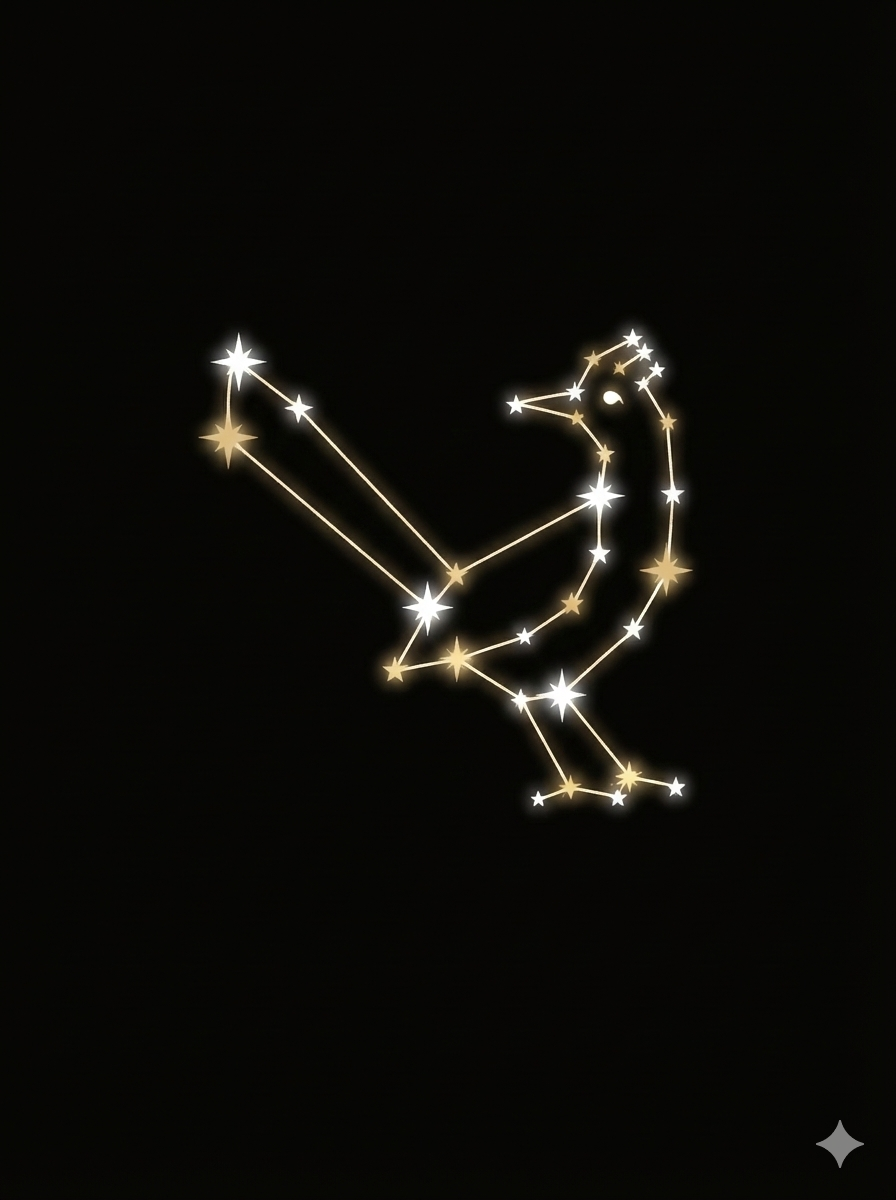
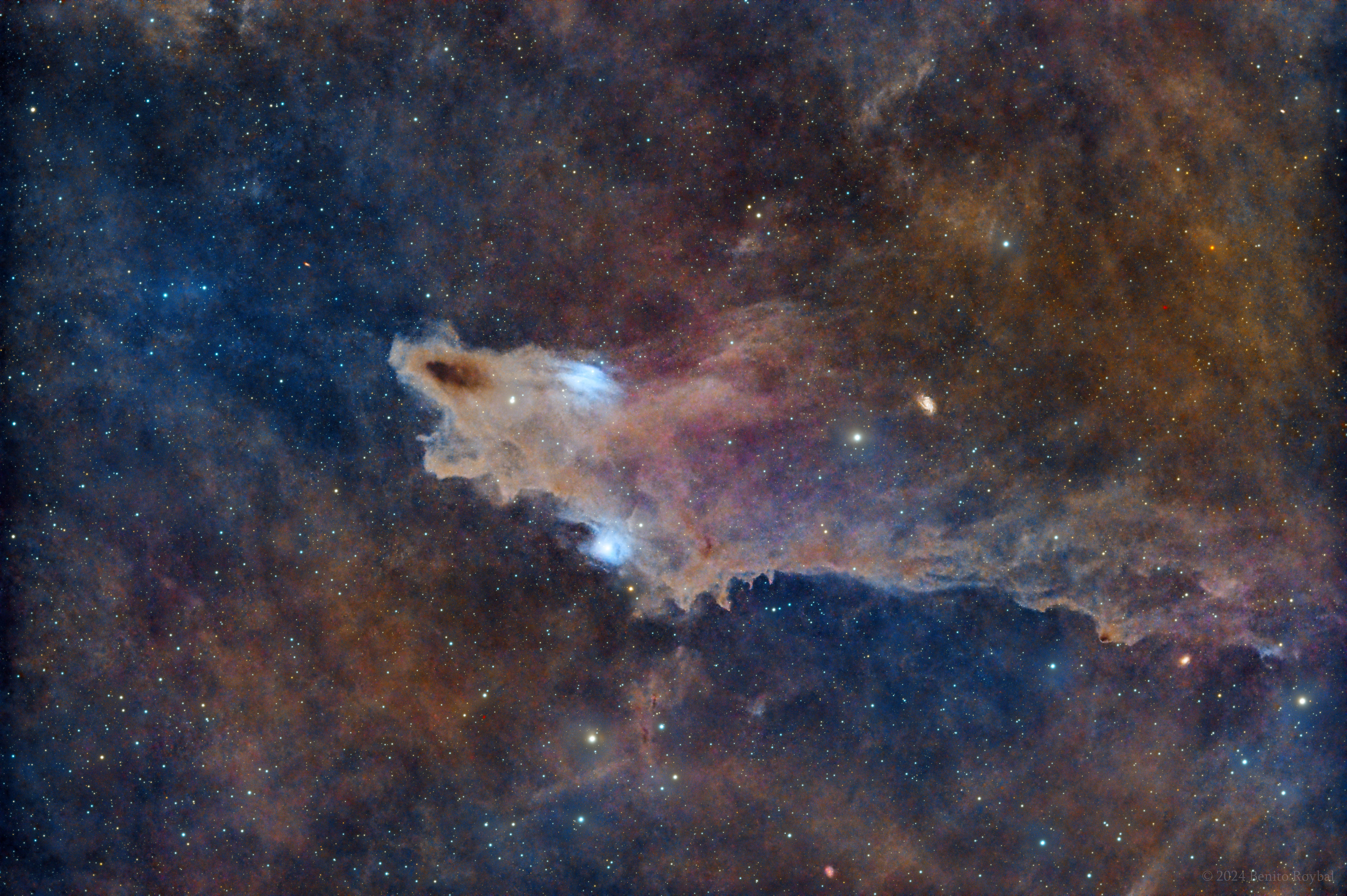
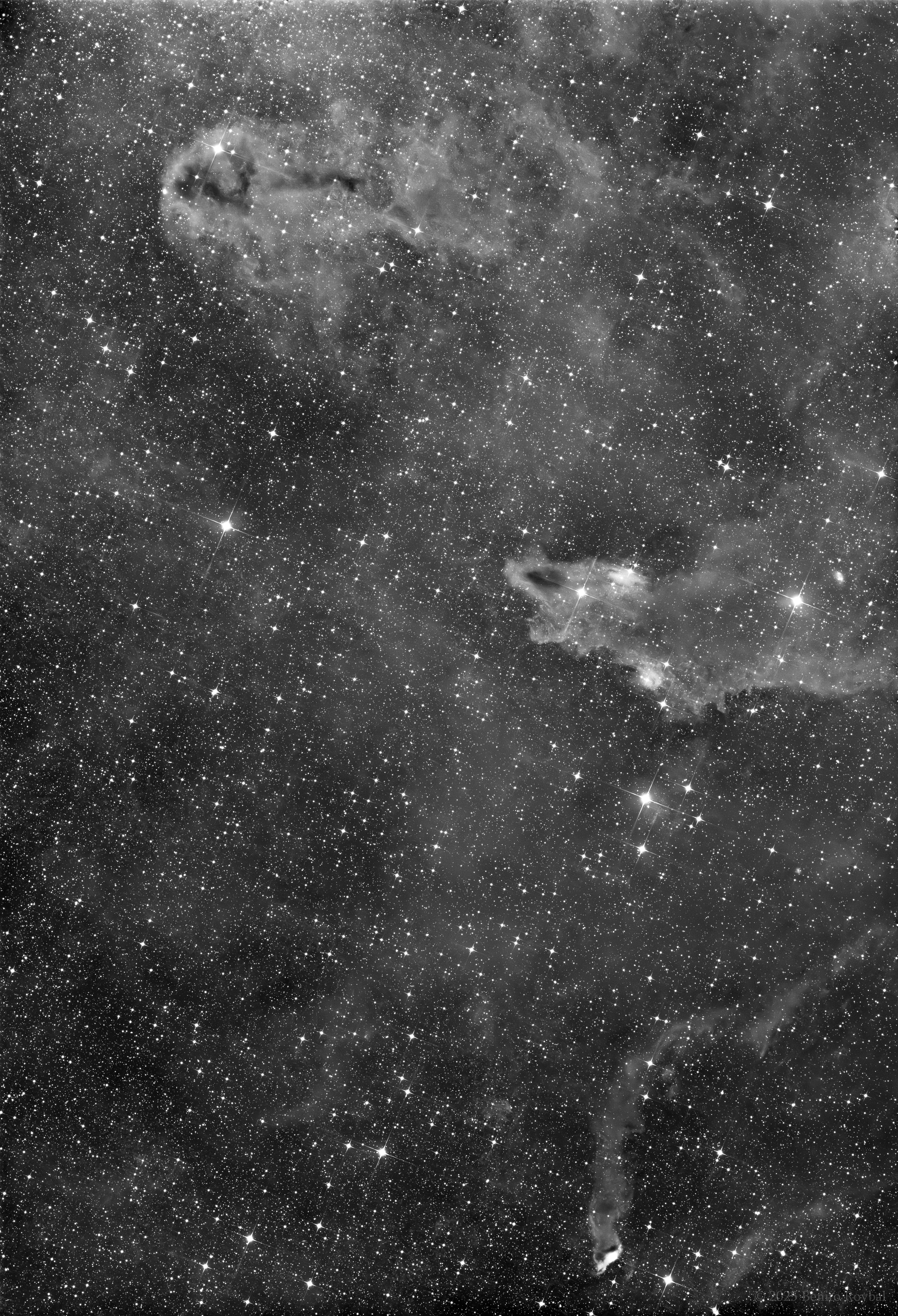
Swimming through the rich star fields of Cepheus, the Shark Nebula (LDN 1235) is a striking example of a Dark Lynds Nebula. Unlike emission nebulae that glow with their own light, the Shark is a dense molecular cloud of interstellar dust so thick that it completely obscures the light from stars behind it.
The "eyes" and body of the shark are illuminated by the faint reflected light of nearby stars, giving the dust a ghostly, brownish-gray appearance. This target is notoriously difficult to capture, as it requires exceptionally dark skies and long integration times to separate the subtle silhouettes of the dust from the blackness of space.
Imaging Challenges
- Contrast: Distinguishing the "dark-on-dark" structures of the shark's fins requires a very high signal-to-noise ratio.
- Sky Quality: Light pollution easily washes out the faint dust; imaging from a Bortle 2 or 3 site is almost mandatory.
- Processing: Bringing out the texture of the dust without introducing artificial noise is a delicate balancing act in post-production.
"The Shark is a reminder of the 'missing' light in the universe. It is not an empty void, but a massive wall of cosmic debris—the raw materials that will one day collapse to form the next generation of stars."